The Youth Summer School for Peace: Young People Gathered in Ayvalık.
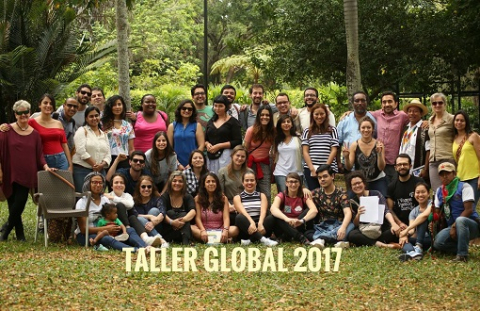
The Youth Summer School for Peace, organised by Hafıza Merkezi, took place at Fabrika! Ayvalık Art Workshop in Ayvalık from 5 to 9 July 2026. Bringing together 30 young participants, three experts, and the Hafıza Merkezi team, the summer school offered an intensive and highly productive programme that enabled participants to transform their visions of social peace into concrete recommendations.
The summer school was hosted at Fabrika! Ayvalık Art Workshop, a historic building originally constructed as a soap factory in the early nineteenth century and later used for many years as an olive oil warehouse. In recent years, it has been transformed into a performing arts centre through the initiative of a group of artists, human rights defenders, and academics. Committed to artistic freedom of expression, the preservation of cultural diversity, and solidarity across different segments of society, the venue—with the layers of memory it carries from both Ayvalık's past and present—provided a meaningful setting for the discussions held throughout the summer school.
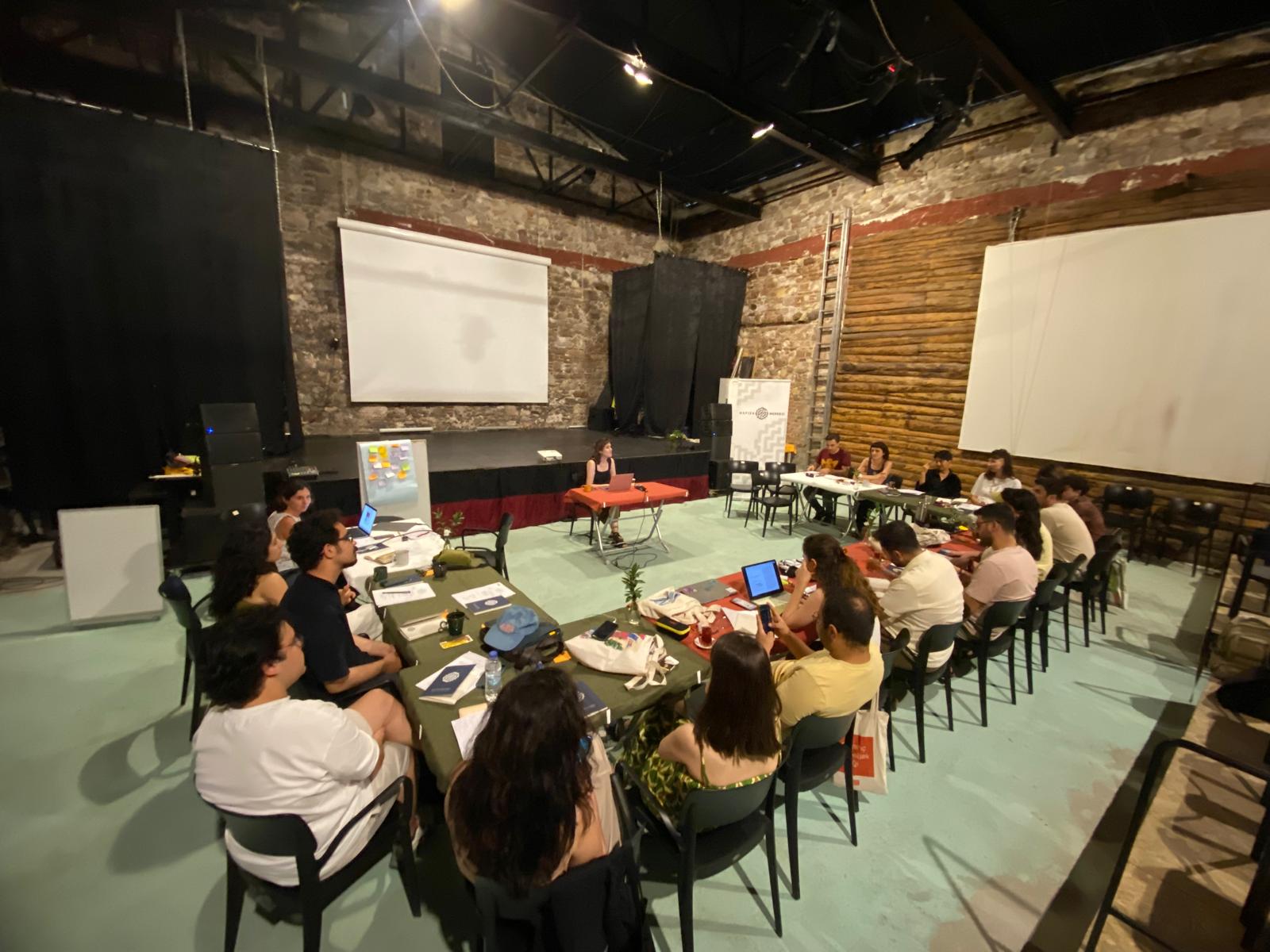
Bringing together young people from a wide range of backgrounds in this unique space, the programme went beyond conventional lectures to create a dynamic environment for learning, dialogue, and collective production. Building on participants' own experiences, it encouraged them to develop a shared vision of peace while taking an active role in formulating concrete policy recommendations, action plans, and future roadmaps around a range of thematic areas.
Programme: From Theory to Practice
The five-day summer school was designed around the idea that peace cannot be understood through a single lens, but rather through multiple, interconnected perspectives that inform and reinforce one another. The Making Space for Peace sessions, organised around themes including democracy, LGBTI+ rights, poverty, social justice, ecology, dealing with the past and restorative justice, children's rights, and gender, encouraged participants to reflect on the many dimensions of peace in an integrated way. This theoretical framework was complemented by experiential and creative activities—including podcast and video workshops, a memory walk, and open forum discussions—which enabled young participants to transform what they had learned into their own forms of expression. During the final days of the programme, participants worked in small groups to develop roadmaps that translated these discussions into concrete policy recommendations and action plans.
The summer school opened on 6 July with the panel discussion Making Space for Peace: Türkiye's Peace Agenda, moderated by Noémi Lévy-Aksu. Joining online, Cuma Çiçek spoke on Peace and Democracy, Atalay Göçer on Peace and LGBTI+ Rights, and Semiha Arı on Peace and Poverty. The panel highlighted the importance of representation and inclusivity as fundamental principles for building sustainable peace.
Following the opening panel, the summer school continued with a rich and interdisciplinary programme that brought together future human rights defenders working across the fields of social peace, justice, human rights, and collective memory. Throughout the programme, we sought not only to provide participants with a strong theoretical foundation but also to create opportunities to collectively develop practical and hopeful responses to contemporary challenges. A concert held at Fabrika! Ayvalık Art Workshop on the opening day, the memory walk through Ayvalık, and the informal spaces where participants gathered outside the formal sessions all contributed to a lively and engaging learning environment.
The workshops and seminars that followed the opening panel addressed the following themes:
6 July
- Social Justice and Peace: In this seminar led by Zeynep Ardıç, participants explored the strong relationship between social justice and sustainable peace. The session emphasised that peace is not merely the absence of conflict but also requires the creation of a social order in which everyone enjoys equal access to rights, is free from discrimination, and can live under just conditions. Examples from Peru and Timor-Leste were discussed to illustrate these connections.
- Podcast and Video Workshops: Facilitated by Sibil Çekmen and Mehmet Uğur Korkmaz, these workshops introduced participants to the theoretical foundations of podcast and short-video production in preparation for the creative outputs to be developed at the end of the Youth for Peace programme. Participants also had the opportunity to refine their content ideas and plan the projects they would continue developing throughout the summer school.
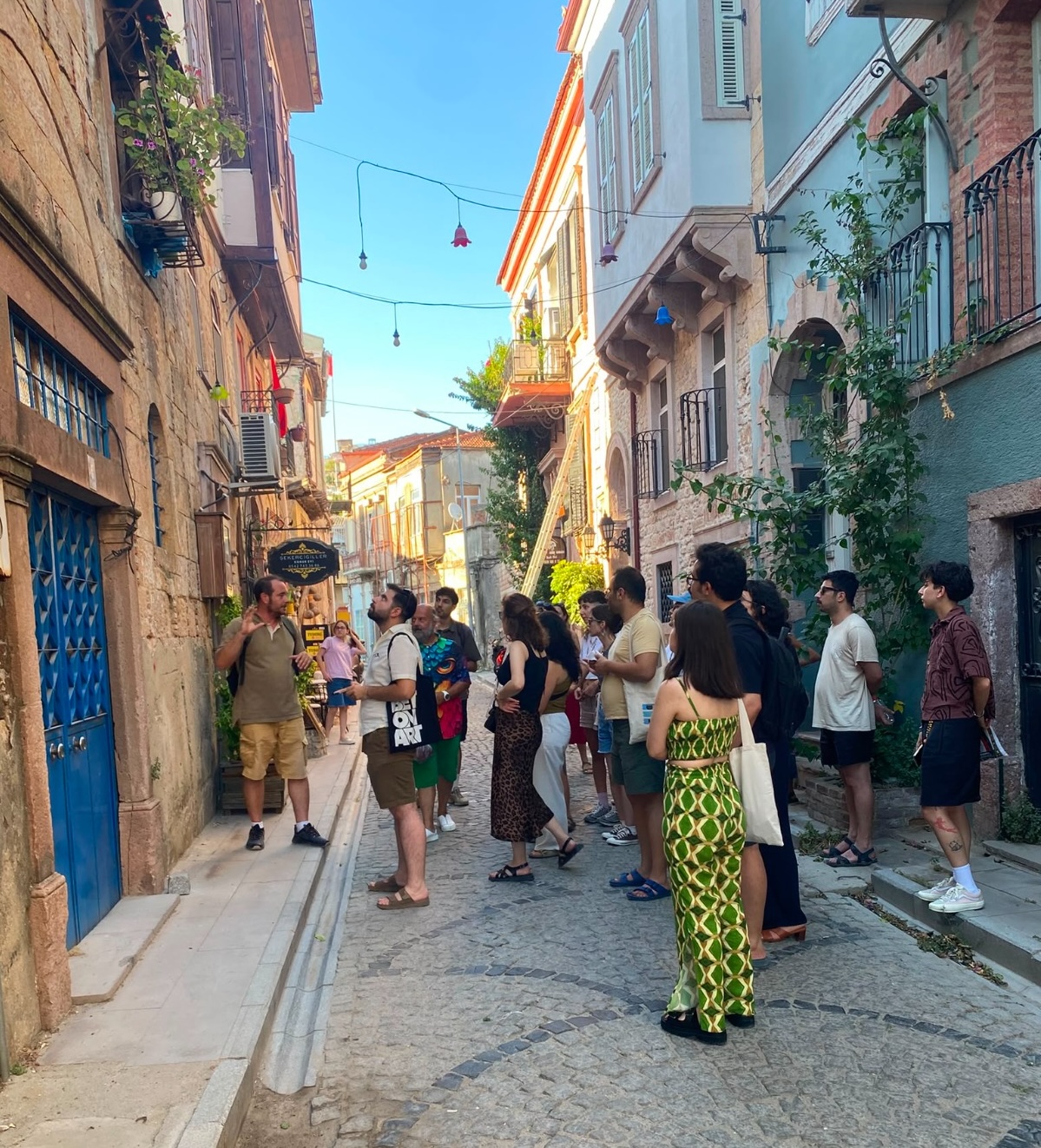
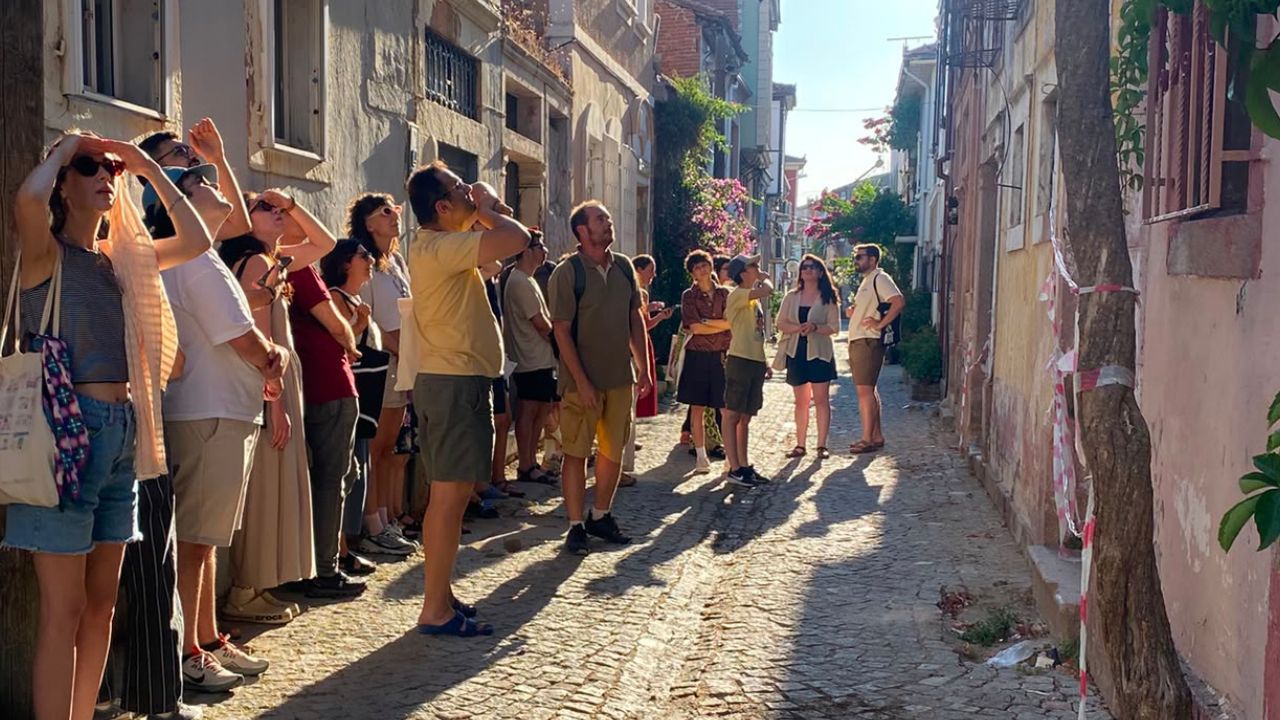
- Memory Walk and Reflection Workshop: Led by Damien Dessane, the Memory Walk through Ayvalık invited participants on a meaningful journey into the region's past while offering a rich cultural and historical exploration. The activity was followed by a reflection workshop featuring an interactive role-play simulation in which all participants examined the shared history of Türkiye and Greece from multiple perspectives.
7 July
- Ecology and Peace Seminar: Led by Pınar Dinç, this seminar highlighted the inseparable relationship between environmental crises and social conflict. Participants explored how lasting peace today can only be achieved by recognising the rights of nature and advancing ecological justice. The seminar introduced the concepts of green transitional justice and peace ecology, after which participants worked in small groups to analyse cases of environmental destruction from different conflict-affected regions around the world.
- Hope-Based Communication and Project Development Workshops: During the Hope-Based Communication session, facilitated by Kerem Çiftçioğlu, participants reflected on the importance of developing constructive and transformative narratives in response to the burnout and crisis-focused discourse that often characterises human rights advocacy. In parallel, Olcay Özer led a Project Development Workshop, where participants learned practical approaches to transforming project ideas into concrete, sustainable, and measurable initiatives.
8 July
- Dealing with the Past and Restorative Justice: In this seminar led by Noémi Lévy-Aksu, participants examined the importance of dealing with the past and restorative justice for building social peace. Drawing on examples from Spain, Algeria, and Colombia, the session explored the relationship between confronting the past and transitional justice. The final part of the seminar focused on different dimensions of dealing with the past in Türkiye—including justice, education, and memorialisation—and discussed the respective responsibilities of the state and civil society.
- Children's Participation in Peacebuilding Workshop: Facilitated by Ezgi Koman and Derya Bozarslan, this workshop centred on the agency of children whose voices are often excluded from peace processes. Through interactive activities, participants explored the importance of recognising children not only as victims but also as active rights holders and meaningful contributors to peacebuilding.
- Gender Workshop: Facilitated by Olcay Özer and Esma Yaşar, this workshop focused on gender as one of the key dimensions of human rights advocacy. Participants reflected on ways of placing gender equality at the centre of both everyday social life and their own advocacy and professional practices.
Building a Practice of Coexistence and Solidarity
The interactive methods employed throughout the summer school eAyvalık became a tangible reflection of the Hafızateners but active contributors to the learning process. In the final evaluations, participants emphasized that dedicating ample time to workshops and group activities made the sharing of experiences particularly meaningful and impactful.
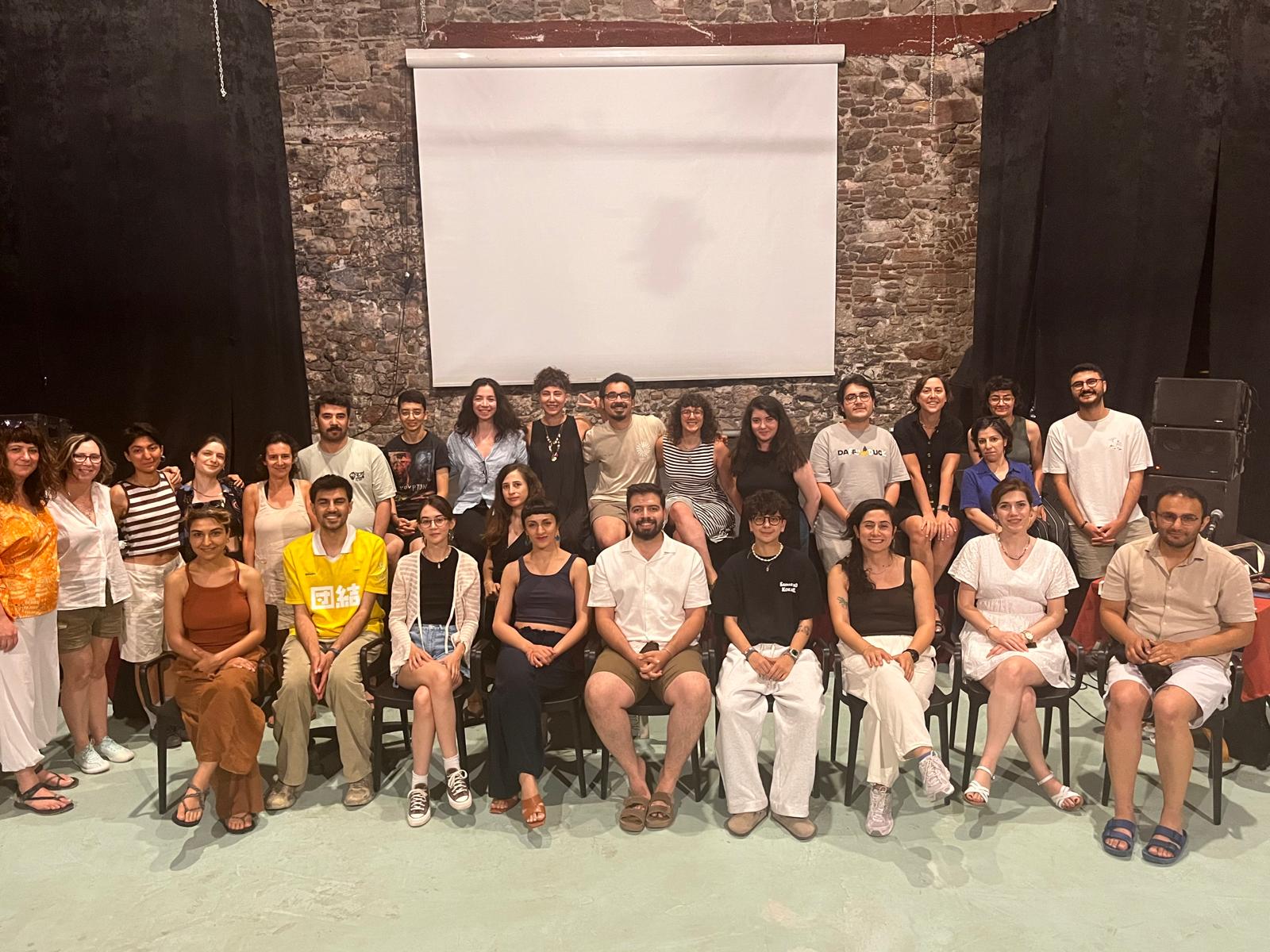
Throughout the programme, young people from diverse social backgrounds and with different life experiences developed a shared language of communication grounded in mutual respect and solidarity. This practice of peaceful coexistence that they cultivated in Ayvalık became a tangible reflection of the Hafıza Merkezi’s vision of a society living in peace.
Bringing Young People’s Voices to the Grand National Assembly of Türkiye: Policy Recommendations and Reporting
On the final day of the summer school, 9 July, porganisents presented the roadmaps they had developed in small groups. Their presentations were organised around four key themes: participatory and inclusive dialogue, justice and confronting the past in peace processes, redefining social peace through socio-economic, ecological, and cultural dimensions, and strengthening young people's participation in peacebuilding discussions and processes. Through these group discussions, participants reflected on the current challenges to building social peace and developed a set of concrete recommendations.
To further disseminate the roadmap, we plan to organise a visit to the Grand National Assembly of Türkiye (TBMM) in Ankara with the young participants in the autumn, where they will have the opportunity to present and discuss their recommendations.